When to Install Permanent Christmas Lights Utah-Style: A Holiday Lighting Timing Guide
October 27, 2026 · Levitate Lighting
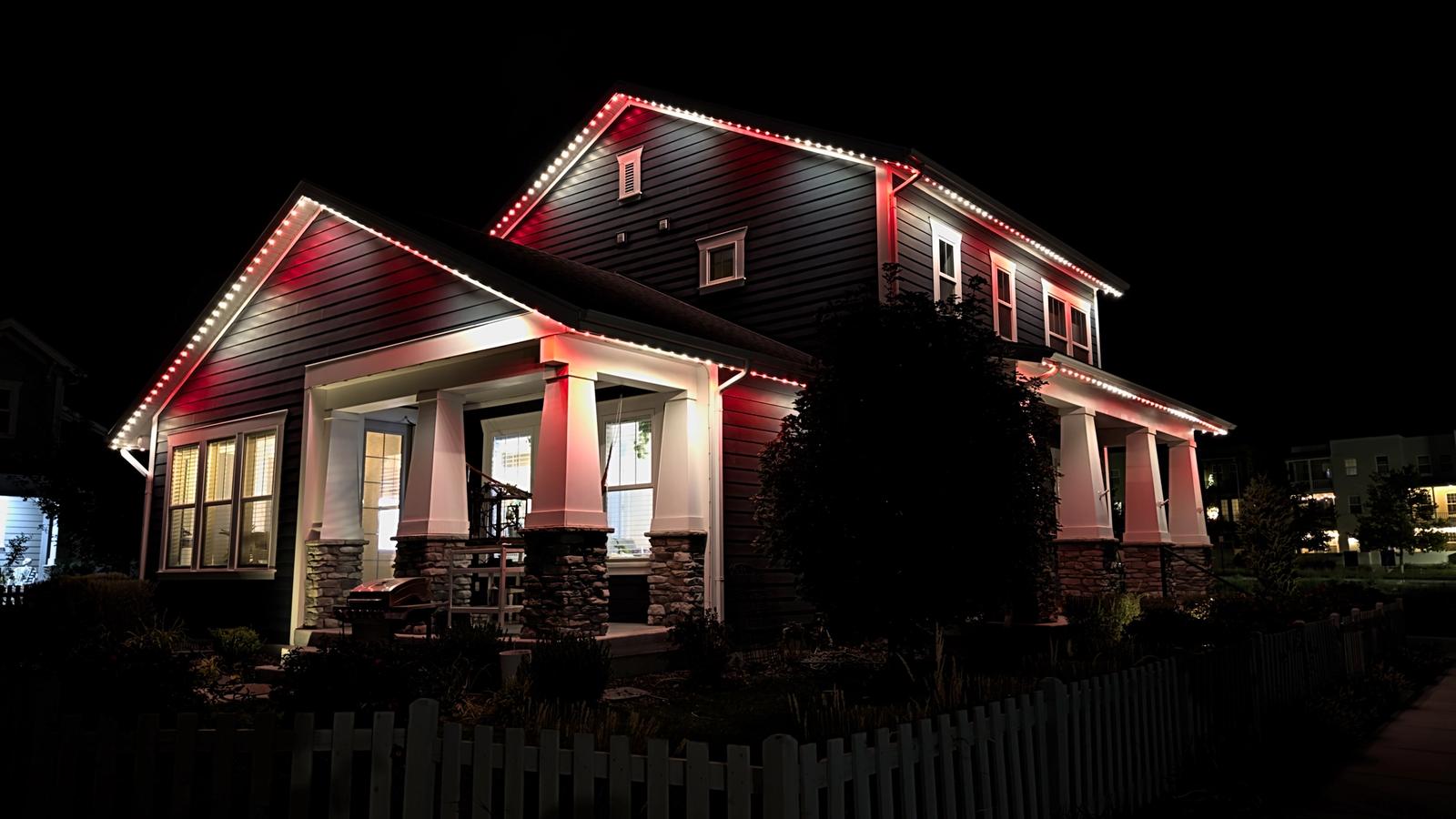
Figuring out when to install permanent Christmas lights Utah-wide comes down to one window: late summer through early fall, roughly August to October. That window lands before the first hard freeze and before installers’ holiday calendars fill up. Because permanent lighting stays on your roofline year-round, you can technically install it any month the weather allows. But if you want your home glowing by Thanksgiving and Christmas in Utah County or Salt Lake County, booking early is the best way to get the date you want.
Below, we’ll walk through how timing works along the Wasatch Front, what changes once winter weather arrives, and how to plan your install step by step.
The Short Answer: When to Install Permanent Christmas Lights Utah Homeowners Can Count On
If you want your lights up for the holidays, aim to:
- Get a quote in late summer or early fall.
- Schedule installation for September or October if you can.
- Plan for at least 2 weeks between signing and installation during the busy season.
Missed that window? Waiting until after Thanksgiving doesn’t mean you’re out of luck. It just means fewer open dates and a better chance that snow or ice pushes your appointment back. Deciding when to install permanent Christmas lights in Utah really comes down to how much date flexibility you want.
Why Fall Is the Best Time in Utah County and Salt Lake County
The weather is easier to work with
Permanent lights are mounted along the soffit, so installers spend the day on ladders near the edge of your roof. Dry, mild fall days in Lehi, Provo, Orem, Draper, Sandy, and South Jordan make that work safer and more predictable. Once storms start rolling off the Wasatch, wet or icy rooflines can delay installs.
Schedules fill up fast
Plenty of homeowners along the Wasatch Front start thinking about Christmas lights at the same moment: right after Halloween. That creates a rush on holiday lighting installs in November and December. Booking in the fall puts you ahead of that wave and gives you more dates to choose from.
You get to enjoy the lights longer
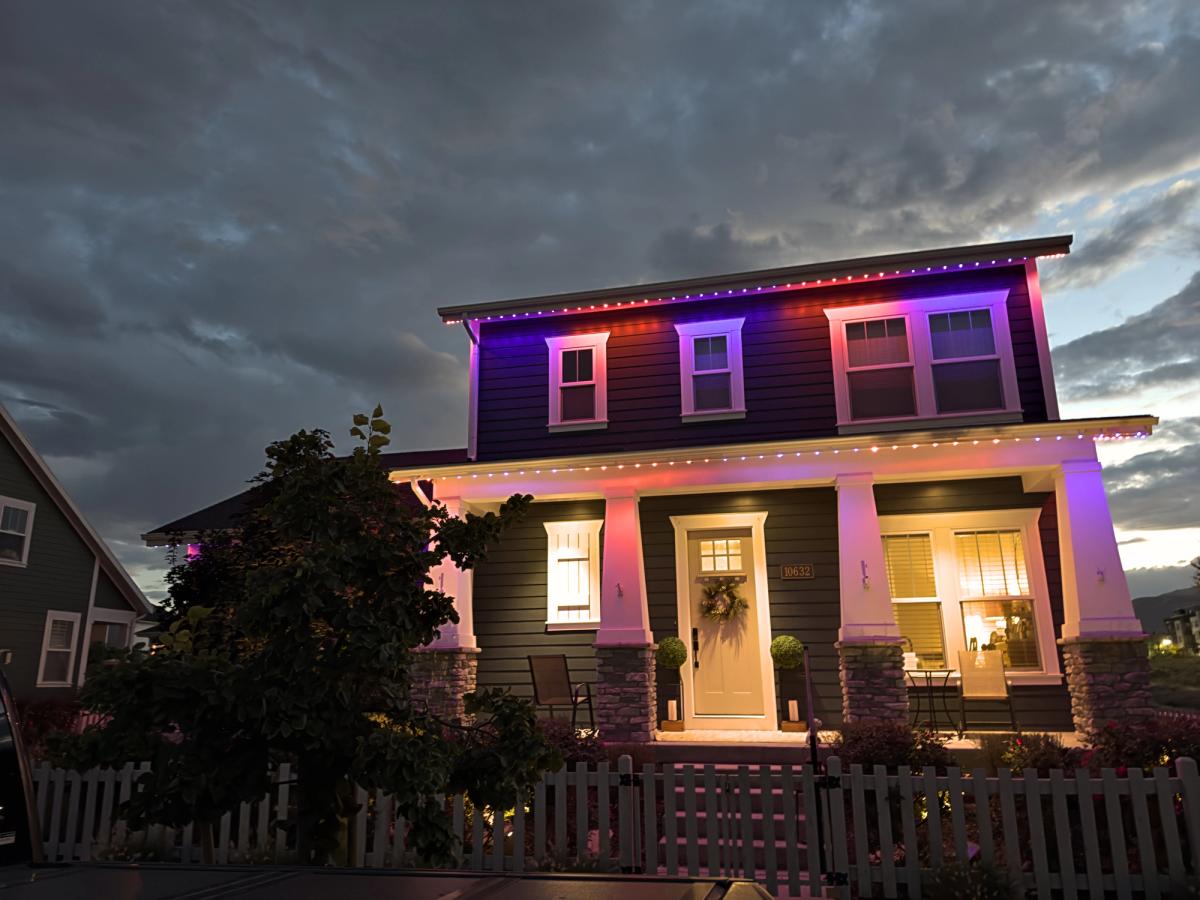
Permanent lighting isn’t just for Christmas; it doubles as year-round outdoor lighting. Install it in the fall and you can light up your home for Halloween, BYU or Utah game days, Thanksgiving, and then Christmas, all controlled from an app on your phone.
Pros and Cons of Each Install Season in Utah
Fall (Aug–Oct)
- Pros: Mild, dry weather; lights ready for every holiday; ahead of the rush
- Cons: Popular window, so dates still go quickly
Winter (Nov–Feb)
- Pros: Still possible on clear days; lights this season if you act now
- Cons: Snow, ice, cold, and short days can cause delays
Spring & Summer (Mar–Jul)
- Pros: Most open dates; use lights for Fourth of July and Pioneer Day
- Cons: You wait longer to see Christmas scenes
Can You Install Permanent Christmas Lights in Winter?
Often, yes. Permanent lights can usually be installed in winter on clear, dry days. The main limits are:
- Snow and ice on the roofline. Installers need a safe, dry surface to work on.
- Very cold temperatures, which can make some materials less flexible and slow the work down.
- Shorter daylight hours, which mean a shorter working day.
If you’re reading this in December and still want your Christmas lights up this season, it’s worth asking for a quote. Just expect your date to depend on the forecast and installer schedule.
What About Spring and Summer Installs?
Spring and summer are great times to install, especially if you’re thinking beyond December. Because the system stays up all year, a summer install turns your holiday setup into everyday outdoor lighting. Use it for Fourth of July, Pioneer Day, and backyard parties, then switch to holiday colors when Christmas rolls around. Off-season installs also tend to have more open dates.
How Long Does Permanent Light Installation Take?
For most single-family homes, installing permanent Christmas lights is usually done in about one day, depending on the length of the roofline, the number of peaks, and the home’s height. Two-story homes and complex rooflines with lots of gables can take longer. Your installer should give you a time estimate.
What Affects the Cost?
Every home is different, so pricing for permanent lighting comes from a quote rather than a flat rate. The main factors are the total length of roofline you want lit, the number of peaks and corners, the height of the home, and your exterior material. Install timing is about availability, not price, so the real benefit of booking early is getting the date you want. Request a free quote to see what your home would cost.
Step by Step: How to Plan Your Install
Here’s a simple timeline if you want your lights ready for the holidays:
- August to September: Measure your roofline (or have it measured), request quotes, and pick your colors and track finish.
- September to October: Install, then setup your app, zones, and schedules.
- November: Set up Thanksgiving and early holiday scenes.
- December: Run your Christmas light patterns and set a nightly schedule.
- January onward: Switch to warm white accent lighting or seasonal themes.
Examples: What Timing Looks Like for Different Utah Homeowners
These are general scenarios, not specific customer stories.
- The early planner in Lehi: Requests a quote in August, installs in September, and has permanent lights ready for Halloween and BYU vs Utah Holy War game day.
- The post-Halloween booker in Sandy: Calls in early November. Still has a good shot at Christmas lights before the holiday, but with fewer date choices and some weather risk.
- The December caller in Provo: Can often still get an install on a clear day, but should stay flexible if a storm moves through.
- The summer installer in South Jordan: Installs in June and enjoys the lights for Fourth of July and Pioneer Day long before Christmas.
Common Timing Mistakes to Avoid
- Waiting until after Thanksgiving to call. That’s when holiday lighting calendars are most crowded.
- Skipping the HOA check. Some neighborhoods in Utah County and Salt Lake County have guidelines for exterior lighting. Check yours before you schedule.
- Rushing the track color. The track stays up all year, so choose a finish that matches your trim.
- Not asking about power. Find out where the controller will plug in and whether you need an outdoor outlet.
- Forgetting the warranty question. Ask what’s covered and for how long.
Frequently Asked Questions
What’s the latest date to get permanent Christmas lights installed in Utah? There’s no hard cutoff, since installs depend on weather and availability. For the best chance at lights before Christmas, book before mid-November.
What’s the best month for a permanent holiday lighting install in Utah? September or October is usually ideal. The weather is mild and you’re ahead of the holiday rush.
Do permanent Christmas lights stay up all year? Yes. They’re mounted in a low-profile track along your roofline and built to stay up year-round, so you never have to climb a ladder to hang or take down lights again.
Can permanent lights be installed when there’s snow on the roof? Installers generally need a dry, safe roofline. Light snow may only delay the job by a day or two, while heavy snow or ice can push it back further.
Do you install permanent lights in both Utah County and Salt Lake County? Yes. Levitate Lighting serves homeowners throughout Utah County and Salt Lake County.
The Bottom Line
For most homes, the answer to when to install permanent Christmas lights Utah-wide is fall, ideally September or October, so your home is lit for every holiday from Halloween to New Year’s. Winter installs are possible but depend on the weather, and spring or summer installs give you the most scheduling flexibility.
Ready to stop hanging Christmas lights every year? Request a free quote from Levitate Lighting and we’ll help you pick an install date for your new outdoor lighting that works for your home in Utah County or Salt Lake County.